
The tennis serve: it’s the singular shot in tennis where the destiny of the point rests entirely within your grasp. No opponent, no unpredictable bounce, only you and the ball. For years, I struggled, hammering first serves in hopes they would land more often than they did, and then meekly pushing second serves over the net, ceding immediate advantage. It was only after I began to truly understand the nuances of serve strategy that I started seeing some real improvements in my game.
Forget just bashing the ball. Developing a killer serve isn’t solely about raw power; it’s about calculated control, clever deception, and a strategic mindset. This guide aims to give you implementable tips you can take straight to the court and notice an immediate difference. We will delve into optimizing your first serve percentage without sacrificing too much power and finding that sweet spot with your second serve – that balance between safety and aggression that dictates just how effective it is.
The Fundamental Difference: First Serve vs. Second Serve
The essence of a tennis serve lies in understanding the distinct objectives of the first and second serve. The first serve is about taking control immediately. It embodies power, placement, and a touch of calculated aggression. This is where players aim to win points outright with an ace or force a weak return, setting up an easy follow-up shot. Think of Roger Federer’s first serve – a blend of speed and pinpoint accuracy that puts opponents on the defensive from the get-go. The second serve, on the other hand, shifts the focus to safety and consistency. The primary goal isn’t necessarily to dominate, but to avoid the dreaded double fault and ensure the point gets underway. Novak Djokovic’s second serve exemplifies this – reliable spin and placement that keeps him in the rally, even under pressure. Understanding these fundamental differences gives the server control from the very beginning, dictating the pace and flow of the match.
First Serve: Power, Placement, and Aggression
The first serve is a statement. It’s about dictating play right from the start. Mastering the first serve means understanding the nuances of power and placement. A flat serve, unleashed with maximum velocity, can be unreturnable, resulting in an ace. But power alone isn’t enough. A well-placed slice serve, curving wide on the Ad side, can drag an opponent off the court, opening up the rest of the playing field. Personally, when facing a player with a weak backhand, I would tailor my first serve to exploit that weakness, consistently hitting to their backhand corner. The key is to find the sweet spot – the intersection of power and precision that maximizes effectiveness. Naturally, with greater risk comes greater pressure. Stepping up to the line for a first serve demands confidence and the ability to block out distractions, knowing that this one swing can dramatically shift the momentum of the point.
Second Serve: Spin, Consistency, and Safety
The second serve is your lifeline. It’s about minimizing risk and maximizing your chances of starting the point. Above all else, the cardinal rule is: avoid the double fault. This is where spin becomes your best friend. A topspin serve, also known as a kick serve, leaps high off the court, giving you extra net clearance and forcing your opponent to hit a higher, less comfortable return. A slice serve can also be effective on the second serve, adding sideways movement and making it harder for your opponent to attack. One time, during a particularly grueling match, my first serve deserted me. It was my consistent second serve, loaded with topspin, that kept me in the game. It allowed me to grind out points, wear down my opponent, and ultimately secure the win. The second serve isn’t about hitting winners; it’s about ensuring you get a chance to compete.
Maximizing Your First Serve Percentage
To boost your first serve percentage without dialing back the power, smart targeting, error reduction, and calculated risk management are essential. Consistent serves put immediate pressure on your opponent, dictating the flow of the point from the get-go. Think of it like setting the stage – a solid first serve puts you in the director’s chair. Establishing a pre-serve ritual, which includes visualizing the serve’s trajectory and focusing on a consistent ball toss, builds confidence and minimizes those costly double faults. Observe and adapt your strategy during the match based on your opponent’s reactions and court conditions; what works in the first set may need tweaking in the second. Top players, such as Novak Djokovic, are masters of this, varying their serve speed and placement depending on the match situation to keep opponents guessing and maintain a high first serve percentage.
Finding your rhythm is also extremely important. Some players prefer a slower paced routine, while others might use a more rapid routine to keep them focused. Experimenting is key to finding a rhythm. Pay close attention to those moments when you feel most fluid and in control. Being able to replicate those feelings can translate to more serves landing in.
Targeting and Placement Strategies
Strategic serve placement can disrupt your opponent’s game and open up opportunities for you. Instead of just blasting every serve down the middle, learn to target different areas of the service box. A well-placed body serve can jam up your opponent’s swing, while a wide serve on the ad side can pull them off the court, creating space for your next shot. Smart players analyze their opponent’s return tendencies and exploit any weaknesses they find. For example, if your opponent struggles returning serves to their backhand, that should immediately become your primary target. However, remaining predictable will hurt you, so you should mix it up. Throughout the match, observe how your opponent is reacting to your serves and adjust your targets accordingly. A slight change in angle or pace can make all the difference.
Refining Technique for Reduced Errors
Even minor adjustments to your serve technique can drastically reduce errors and improve consistency. Experiment with a continental grip, which allows versatility for different types of serves and can reduce strain on your wrist. Focus on achieving a consistent and higher ball toss, providing ample time to prepare your swing and hit the sweet spot. The ideal serve form involves a fluid motion, starting from the ground up, with a smooth transfer of weight and a full extension at contact. Record your serves and analyze them in slow motion to find ways to improve. Sometimes hitches are hard to notice on your own. Identifying and correcting even subtle flaws in your technique can significantly impact your first serve percentage. Keep refining your serve and look for improvements.

The Art of the Safe (But Effective) Second Serve
The objective on the second serve is simple: get the ball in play. But a ‘safe’ serve doesn’t have to be a sitter. It can become a tactical advantage, putting immediate pressure on your opponent. The secret weapon? Spin. Mastering spin – kick and slice – is the key to second serve effectiveness. Spin allows for greater net clearance, bringing the ball down safely inside the service box. More importantly, it creates awkward bounces and angles that can disrupt your opponent’s return. The higher net clearance gives players a higher margin for error.
Kick serves jump high and to the left (for a right-hander), often targeting the returner’s weaker backhand. Slice serves curve wide and low, pulling the returner off the court. By utilizing both, a player can keep their opponent guessing, making it difficult to anticipate the serve and dictate the point. A well-placed slice can open up the court for a subsequent forehand attack. The ability to execute second serves with spin transforms your serving strategy from defensive to offensive. Effective use of spin will make you a more well-rounded tennis player.
Mastering Spin: Kick and Slice Serves
To master the kick serve, focus on brushing up the back of the ball with an upward swing, similar to throwing a football. A continental or eastern backhand grip is standard. The toss should be slightly behind your head, allowing for maximum upward brushing. For the slice serve, use a continental grip and toss the ball slightly to your right. Instead of brushing up, brush across the back of the ball from left to right. This imparts sidespin, causing the ball to curve. Experiment with different grips and toss locations to find what works best for you. Some players prefer a more aggressive kick, while others favor a wider-angling slice. The best spin serve is the one you can consistently execute under pressure, and create a difficult bounce.
Kick serves are extremely effective on high-bouncing surfaces like clay, while slice serves can be devastating on faster surfaces. Practice both serves to develop a well-rounded arsenal. By incorporating both the kick and slice serve into your game, you will keep your opponent guessing, and create more tactical advantages.
Placement for Consistency and Tactical Advantage
Placement is just as important as spin. Vary your second serve placement to disrupt your opponent’s rhythm and keep them off balance. Targeting the backhand is a classic tactic, especially against players with weaker backhand returns. Varying depth is also crucial. A short second serve can draw an aggressive returner into the court early, but be wary of giving them too much angle. A deep second serve pushes the returner back, giving you more time to recover and prepare for the next shot.
Think of your first and second serves as part of a larger tactical plan. If your first serve is a powerful flat serve down the T, follow it up with a wide slice as a second serve to open up the court. The goal is to keep your opponent guessing and prevent them from getting comfortable on the return. Consistency, combined with strategic placement, will turn your second serve from a liability into a weapon. The aim is to immediately put pressure on your opponent as the rally develops.
Statistical Analysis: Understanding the Numbers
Analyzing your tennis serve through a statistical lens offers a powerful advantage. Key metrics like first serve percentage, second serve win percentage, and double fault rate provide a clear picture of your serving game’s strengths and weaknesses. Tracking these statistics consistently allows you to move beyond subjective feelings and base your training on concrete data.
First serve percentage reveals how often your first serve lands in. A higher percentage puts immediate pressure on your opponent and dictates the point. Second serve win percentage indicates your ability to win the point when your first serve fails. A strong second serve win percentage demonstrates resilience and minimizes the impact of missed first serves. Double fault rate highlights areas of inconsistency and potential nervousness under pressure.
Several resources simplify the process of stat tracking. Many tennis clubs and academies offer performance analysis that includes serve statistics. Mobile apps and online platforms also provide tools for recording and analyzing your serves during practice and matches. Understanding these data points empowers you to identify specific areas for improvement.
Benchmarking and Identifying Areas for Improvement
Comparing your serve statistics against established tennis benchmarks provides context and helps you set realistic goals. For example, a professional player typically boasts a first serve percentage above 60%, while a recreational player might aim for 40-50%. Similarly, a good second serve win percentage for a pro is around 55-65%, whereas a recreational player might target 30-40%.
By pinpointing areas where you fall short of these benchmarks, you can focus your training efforts. If your first serve percentage is low, revisit the section detailing serve technique adjustments to improve consistency. A weak second serve win percentage indicates a need to refine your second serve strategy, focusing on placement and spin variation. A high double fault rate suggests working on your mental game and serve motion under pressure, as described in earlier sections on mental toughness and serve mechanics. Explore online platforms that provide comprehensive performance assessments to gain a complete overview of your serve and identify specific areas for targeted improvement.
Mental Fortitude: Serving Under Pressure
Tennis is as much a mental game as it is a physical one, and the serve is where this becomes incredibly apparent. The ability to manage pressure and maintain unwavering focus can be the difference maker between acing your opponent and handing them an easy point. Developing mental toughness is critical for consistent serve performance, particularly in those nail-biting match moments.
Pre-Serve Routines and Visualization Techniques
A consistent pre-serve routine is a cornerstone of mental preparation. This isn’t just about bouncing the ball a certain number of times; it’s a mini-ritual that helps center your mind and dial in your focus. Experiment to find what works for you – deep breaths, a specific grip adjustment, visualizing the ball hitting your target. Visualization can be a powerful tool. Before each serve, picture the ball arcing perfectly, landing exactly where you intend it to. Practice this in training so it feels natural and automatic under pressure. When distractions occur during the pre-serve routine, such as crowd noise etc, it is important to refocus and start the routine again from the begining, to avoid getting anxious.
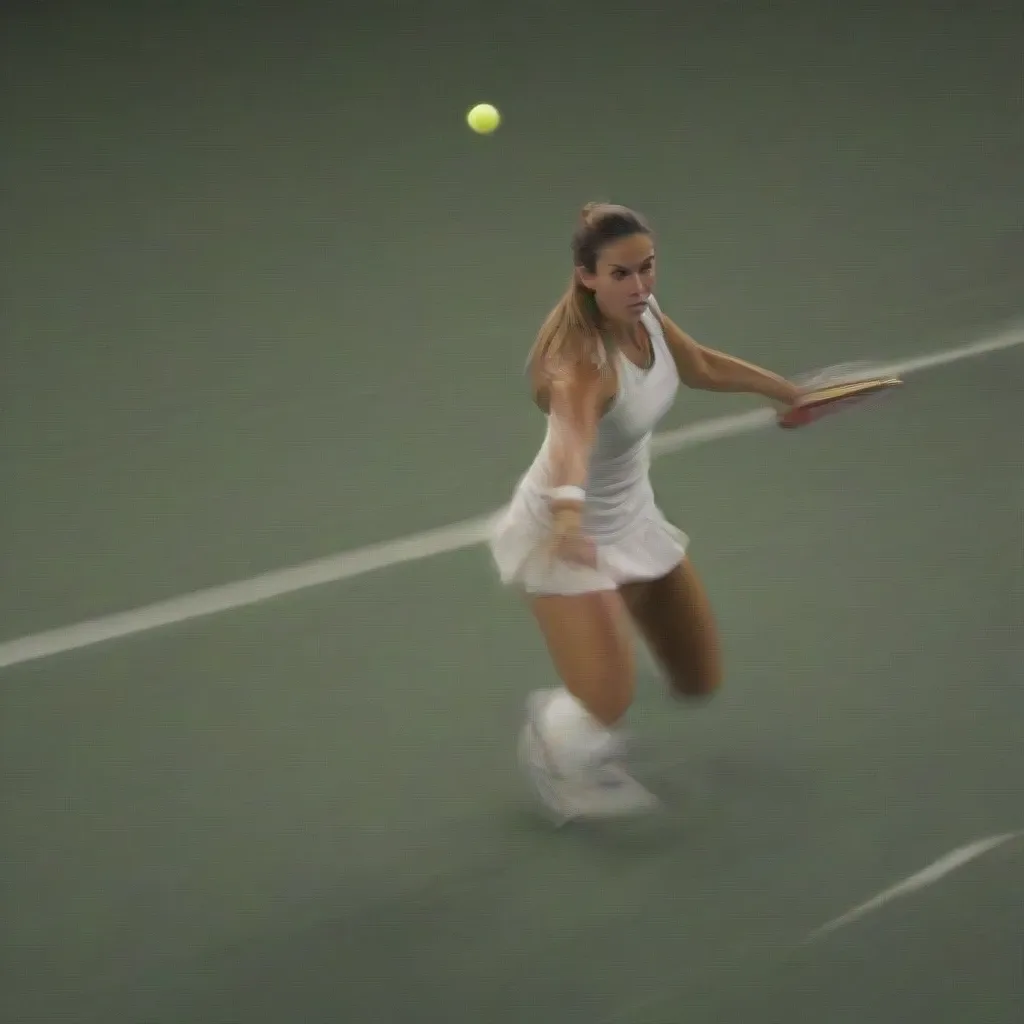
Common Mistakes and How to Correct Them
Even seasoned tennis players stumble when serving. The serve, while seemingly straightforward, is a complex kinetic movement that requires coordination and control. Identifying and correcting common serve mistakes is important to avoid giving away easy points. Players often develop these serve errors unknowingly, so be vigilant about your technique.
Rushed Motion and Inconsistent Toss
One common pitfall is a rushed motion and an inconsistent ball toss. Players sometimes hurry through the serve motion, sacrificing accuracy and power. This often stems from nerves or a desire to end the point quickly. A rushed motion often leads to a wild, inconsistent toss, creating a chain reaction of errors. To combat this, focus on breathing and relaxation before each serve. If you feel rushed, take a moment to reset: bounce the ball a couple of times, take a deep breath, and visualize a smooth, controlled motion. Consider filming your practice serves to analyze your toss consistency. Focus on releasing the ball at the same point every time to ensure a consistent serve you can rely on.
Conclusion
The journey to mastering the tennis serve is ongoing. Recognize the distinctions between the first and second serve and refine your technique. Building your mental game is also a key, you can turn your serve into a powerful tool. Continuous practice and dedication to improvement are essential, but the potential payoff of a strong serve is significant. Keep working, keep learning, and unlock the power within your serve!