
Forget the highlight reels of knockout punches – in mixed martial arts, particularly in the UFC, battles are often won (or lost) long before the final blow. It’s not just about how hard one can hit; it’s about controlling the real estate of the octagon and dictating the terms of engagement. This concept, known as octagon control, is an instrumental element that can significantly impact your striking volume and effectiveness.
As a longtime fight analyst, I’ve seen countless fighters with devastating power fall short because they lacked the strategic understanding of how to utilize the cage. Many people believe that more strikes landed always equals a greater chance of victory. However, this assumption ignores the critical role that octagon control plays in maximizing the impact of each strike.
I remember watching a rising star known for his relentless striking get completely shut down by a more seasoned fighter who expertly used footwork and positioning to limit his opponent’s opportunities. That loss wasn’t due to a lack of power, but a failure to command the space.
In this analysis, we’ll dissect the principles of octagon control, explore its connection to striking volume, and discuss how fighters can use the cage to their advantage. We will provide an approach that goes beyond simple striking statistics to demonstrate how a deep understanding of spatial control can elevate a fighter’s entire game.
Defining Octagon Control and Its Significance
Octagon control in mixed martial arts extends far beyond merely pushing an opponent against the cage. It’s a multifaceted strategy encompassing ring generalship, dictating the fight’s pace, and limiting the opponent’s options. True octagon control involves strategic positioning, cutting off escape routes, and forcing the opponent to react defensively. Elite fighters use octagon control to wear down their opponents, both physically and mentally, creating opportunities for strikes, takedowns, and submissions. Fighters can use Octagon control to force opponents into uncomfortable positions, making them expend more energy and become more susceptible to errors. It’s a crucial element in MMA, influencing not only the fight’s flow but also the judges’ perception of who’s leading the battle. Skilled use of the cage can amplify a fighter’s strengths while exposing an opponent’s weaknesses, making it a pivotal aspect of a winning strategy.
Beyond Physical Position: Mental Domination
The psychological impact from octagon control can be substantial. When a fighter consistently yields ground and is forced to operate under pressure, it can lead to compromised decision-making and accelerated fatigue. This mental pressure can open up striking opportunities as the opponent becomes more predictable and reacts slower. Constant pressure can force them into making mistakes they otherwise wouldn’t, like telegraphing strikes or leaving themselves vulnerable to takedowns. Octagon control can be implemented to create a sense of unease and desperation in the opponent, making them more susceptible to the dominant fighter’s strategies.
Position and Striking Volume: A Symbiotic Relationship
In the dynamic chess match that is mixed martial arts, striking volume, while seemingly impressive on paper, is only truly effective when married to dominant position. It’s not simply about throwing more punches; it’s about throwing the right punches, from the right place, at the right time. Octagon control is a huge factor, it is the foundation upon which a high and effective striking rate can be built. Controlling the center allows a fighter to dictate the pace and direction of the fight, forcing their opponent to react and concede ground. By strategically cutting off escape routes, fighters can create openings and angles for strikes that simply wouldn’t be available otherwise. Think about it: backing an opponent against the cage inherently limits their mobility and defensive options, significantly increasing the chances of landing significant strikes. Dominant positions, where a fighter has a clear advantage, allows them to unload a barrage of attacks with greater leverage, accuracy and power. Striking from a position of strength not only increases the likelihood of inflicting damage but also drains the opponent’s energy and resolve, turning the tide of the fight. The quality of strikes landed are far more important than the quantity. A well-timed, powerful blow from a dominant position can end a fight quicker than a flurry of weaker strikes thrown from a compromised position proving, once again, that efficiency trumps brute force in the octagon.
Position Over Volume
Chasing a high striking volume without establishing a solid, smart position is a recipe for disaster. It’s a common mistake, especially among less experienced fighters, to get caught up in the heat of the moment and simply start throwing leather wildly. This often leads to overextending, leaving oneself open to counter-attacks, and ultimately surrendering control of the octagon. Remember the case of one fighter, in particular, who prioritized volume over position got too confident. They got into a terrible position while only chasing higher volume of strikes. The fighter got too confident and paid the price. Octagon control is also psychological warfare. By consistently dictating the location of engagement, a fighter can impose their will on their opponent. This can lead to frustration, hesitation, and poor decision-making on the part of the controlled fighter, making them even more vulnerable to strikes. In short, prioritize establishing dominant positions and controlling the octagon, and the higher, more effective striking volume will follow naturally.
Striking Techniques for Octagon Control
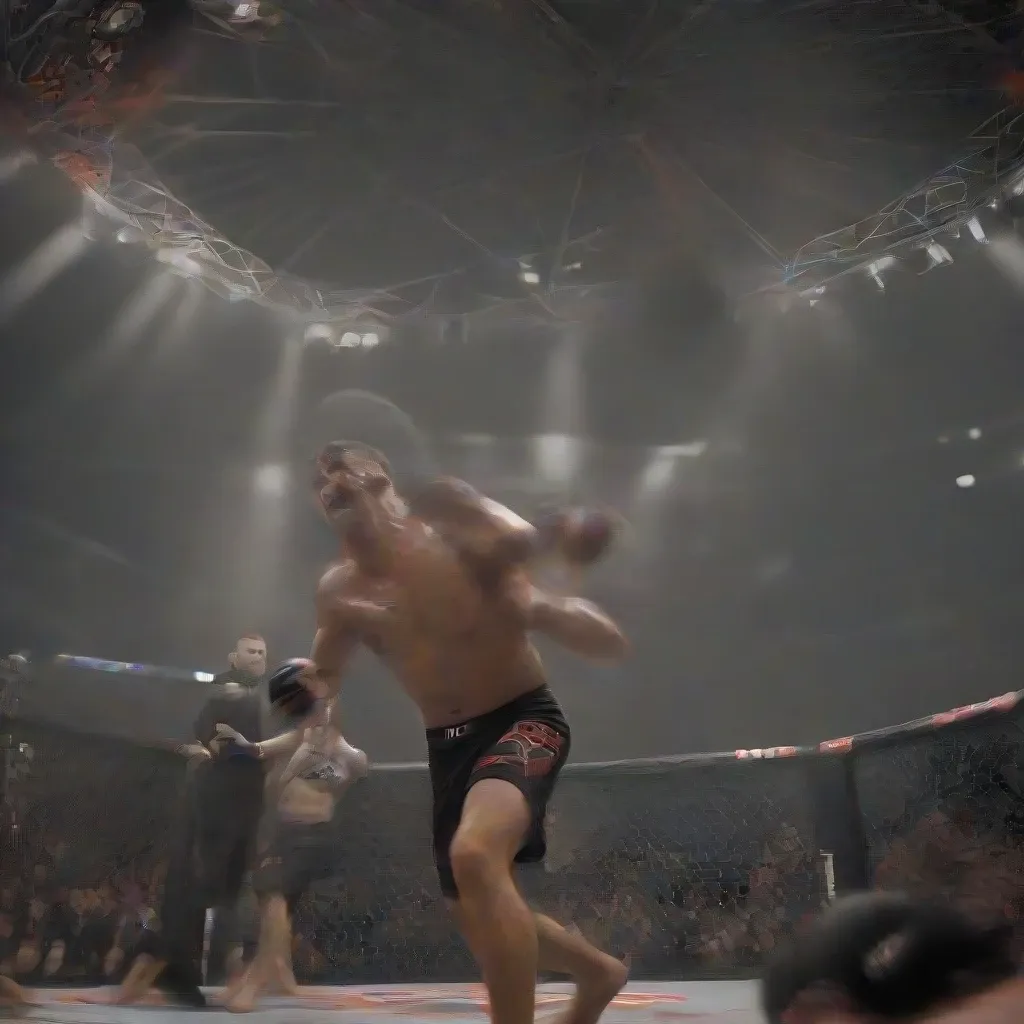
Octagon control is about dictating the pace and location of the fight, turning the cage into a weapon. Superior striking is a key component. It’s not just about power; it’s about using strikes strategically to limit an opponent’s movement, herd them into disadvantageous positions, and create openings for takedowns or further attacks. Jabs, delivered with precision, become range finders and disruptors, keeping opponents at bay or forcing them to move in predictable patterns. Leg kicks, often overlooked, chip away at mobility, making it harder for the opponent to circle away from danger. Angled kicks can physically push an opponent towards the cage, limiting their escape routes. The key is to mix these techniques, keeping your opponent guessing and constantly reacting to your pressure.
Effective octagon control combines striking with a comprehensive understanding of angles and distance. It’s about forcing your opponent to fight your fight, one calculated strike at a time. Mastering these techniques requires dedicated practice, focusing not just on the strikes themselves, but on how they integrate with footwork and strategic positioning.
The Crucial Role of Footwork
Footwork is the invisible foundation of octagon control. Without it, even the most powerful strikes are rendered ineffective. Picture a scenario where a fighter throws a barrage of punches but fails to adjust their position. The opponent, with nimble footwork, circles away, avoids the blows, and suddenly finds himself at an angle, ready to counter. Poor footwork can lead to being trapped against the cage, negating any offensive capabilities. It’s not just about moving forward; it’s about lateral movement, pivots, and constantly adjusting your position relative to your opponent and the cage. Superior footwork allows you to cut off the cage, limiting the opponent’s options and forcing them into exchanges on your terms.
Analyzing Fight Footage: Case Studies
Fighters who use octagon control most effectively
Octagon control can often be the invisible hand guiding a fight’s narrative. Some fighters possess an innate understanding of space and distance, consistently using the cage to their advantage. They manipulate their opponents, herding them into vulnerable positions and dictating the pace of the fight. These masters of ring generalship don’t just move; they orchestrate, turning the octagon into a weapon. By subtly cutting off angles and limiting escape routes, these effective fighters use footwork and calculated pressure, turning the cage into a fifth limb, amplifying their striking power and creating opportunities for the knockout.
Effective striking is deeply intertwined with octagon control. Fighters who manage the center of the octagon often dictate the range and rhythm of exchanges. Consider bouts where one fighter consistently backs the other towards the fence. This forces the retreating fighter to expend energy defensively, limiting their offensive options and making them predictable. The fighter controlling the center can then unleash combinations with greater confidence, knowing that their opponent is trapped and vulnerable.
Let’s examine a hypothetical match where Fighter A consistently circles away from Fighter B’s power hand, guiding them towards the fence. As Fighter B’s back touches the cage, their movement is restricted, leaving them exposed. Fighter A, having engineered this scenario through calculated footwork and pressure, then unloads a series of strikes. The limited mobility of fighter B amplifies the power of each blow, offering a clear example of how octagon control translates directly into striking effectiveness.
Another frequent strategy involves corralling an opponent near the fence before initiating a takedown attempt. By limiting their lateral movement, the fighter controlling the octagon makes it far more difficult for their opponent to sprawl and defend against the takedown. This seamless transition from striking to grappling, facilitated by octagon control, exemplifies the multifaceted benefits of mastering ring generalship. The fighter who dictates the location and pace of the fight holds a distinct advantage, capable of exploiting defensive gaps and imposing their will on their opponent.
Drills and Training Methods for Improving Octagon Control and Striking
Octagon control isn’t just about dictating where the fight happens; it’s about imposing your will. Footwork is the bedrock. A simple but devastating drill is the “Cage Shuffle.” With a partner in the center, you circle the cage, maintaining a consistent distance, practicing quick lateral movements and pivots. The goal? Keep your partner’s back to the fence while staying light on your feet.
Cutting off the cage requires anticipation. “Angle Drills” involve two fighters, one attempting to escape, the other working to corner them. Focus on short, choppy steps and anticipating the escape route. Don’t just chase; create angles.
Once you have the control, unleash the volume. “Pocket Striking” focuses on short, explosive combinations. With a partner holding pads against the cage, practice delivering flurries of punches and kicks, then immediately circling out. The key is speed, accuracy, and controlled aggression.
Sparring is essential but controlled sparring even more so. Integrate these drills into your sparring sessions. One round focuses solely on octagon control, the next on maximizing striking output from dominant positions. Consistent practice and a dedicated partner are crucial. These aren’t magic bullets, but with relentless dedication, they will sharpen your octagon skills.

Common Mistakes and How to Avoid Them
Stepping into the octagon is a high-stakes game where even seasoned fighters can stumble. Many competitors fall into the trap of relentlessly chasing knockout blows without first dictating the fight’s pace or location. This often leads to wild, telegraphed strikes that are easily avoided or countered. The key is to establish octagon control. Don’t just follow your opponent; strategically cut off their movement, using angles and footwork to force them into uncomfortable positions. This not only conserves energy but also sets up more calculated striking opportunities.
Another common pitfall is neglecting the importance of footwork. Fighters sometimes get flat-footed, making them predictable and easy to hit. Instead, maintain a constant, light movement, like a boxer. That allows you to quickly close the distance, evade strikes, and maintain balance. Furthermore, failing to adapt to an opponent’s movement is a recipe for disaster. Analyze their patterns, identify their tendencies, and adjust your strategy accordingly. Are they circling away from your power hand? Are they comfortable moving backward? Use this information to your advantage. MMA is a chess game as much as a physical battle; think several moves ahead to avoid these common mistakes.
Conclusion
In summary, triumph in the UFC isn’t solely about throwing a high volume of strikes. While activity is crucial, it’s the intelligent fusion of striking with impeccable octagon control that truly separates the contenders from the champions. Positional dominance amplifies the effectiveness of each strike, turning mere activity into calculated power.
Through extensive film study and countless hours spent analyzing fight data, it became clear that those who dictate the location of the fight, who effectively cut off their opponent’s escape routes, consistently outperform those who simply throw more punches. If aspirations involve reaching the pinnacle of MMA, focus on mastering the art of octagon control and strategic striking.